
MIYA REVIVAL
MIYA REVIVAL
MIYA REVIVAL
Akiya, Snow Country,
and the Life of Small Towns
Akiya, Snow Country,
and the Life of Small Towns
Akiya, Snow Country,
and the Life of Small Towns
Akiya,
Snow Country,
and the Life of
Small Towns
A design-led field studio turning akiya and existing buildings into lived community and cultural spaces
A design-led field studio turning akiya and existing buildings into lived community and cultural spaces
A design-led field studio turning
akiya and existing buildings into
lived community and cultural spaces
Field research on adaptive reuse, spatial routines, and post-growth rural environment
Field research on adaptive reuse, spatial routines, and post-growth rural environment
Field research on adaptive reuse, spatial routines, and post-growth rural environment
Education & Practice Roots
Education & Practice Roots
Education & Practice Roots






Training, practice experience, and project recognition include RISD, NBBJ, Spector Group, HDR, and AIA-awarded work. (Past affiliations and project-based recognition only; no current institutional partnership.)
Training, practice experience, and project recognition include RISD, NBBJ, Spector Group, HDR, and AIA-awarded work. (Past affiliations and project-based recognition only; no current institutional partnership.)
Training, practice experience, and project recognition include RISD, NBBJ, Spector Group, HDR, and AIA-awarded work. (Past affiliations and project-based recognition only; no current institutional partnership.)
Training, practice experience, and project recognition include RISD, NBBJ, Spector Group, HDR, and AIA-awarded work. (Past affiliations and project-based recognition only; no current institutional partnership.)
The Work
The Work
The Work
Spaces of Dialogue, Built on What Remains.
Spaces of Dialogue,
Built on What Remains.
Spaces of Dialogue,
Built on What Remains.
Miya Revival is an architecture-led cultural initiative exploring how adaptive reuse can reconnect shrinking communities.
The work is developed through long-term fieldwork, spatial analysis, and small-scale interventions embedded in everyday life.
It is conducted in collaboration with local municipalities and local institutions, using underused buildings as field sites for testing new spatial frameworks.
Miya Revival is an architecture-led cultural initiative exploring how adaptive reuse can reconnect shrinking communities.
The work is developed through long-term fieldwork, spatial analysis, and small-scale interventions embedded in everyday life.
It is conducted in collaboration with local municipalities and local institutions, using underused buildings as field sites for testing new spatial frameworks.
Miya Revival is an architecture-led cultural initiative exploring how adaptive reuse can reconnect shrinking communities.
The work is developed through long-term fieldwork, spatial analysis, and small-scale interventions embedded in everyday life.
It is conducted in collaboration with local municipalities and local institutions, using underused buildings as field sites for testing new spatial frameworks.
Method (90-day, low-lift)
Scan & Frame — rapid desk research, shortlist a site.
Co-read the place — 1 field day, 3–5 voices, quick maps.
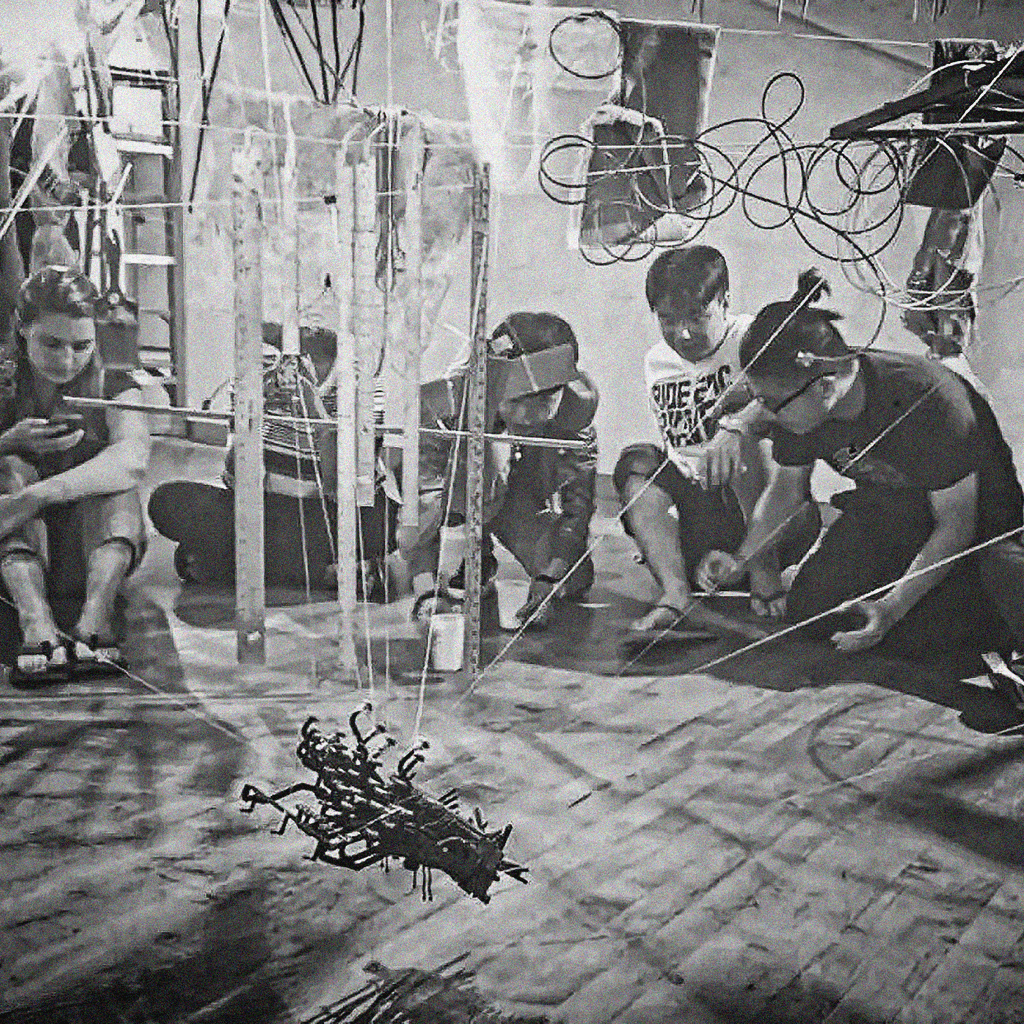
Prototype — 2–3 micro interventions; photogrammetry/LiDAR or VR.
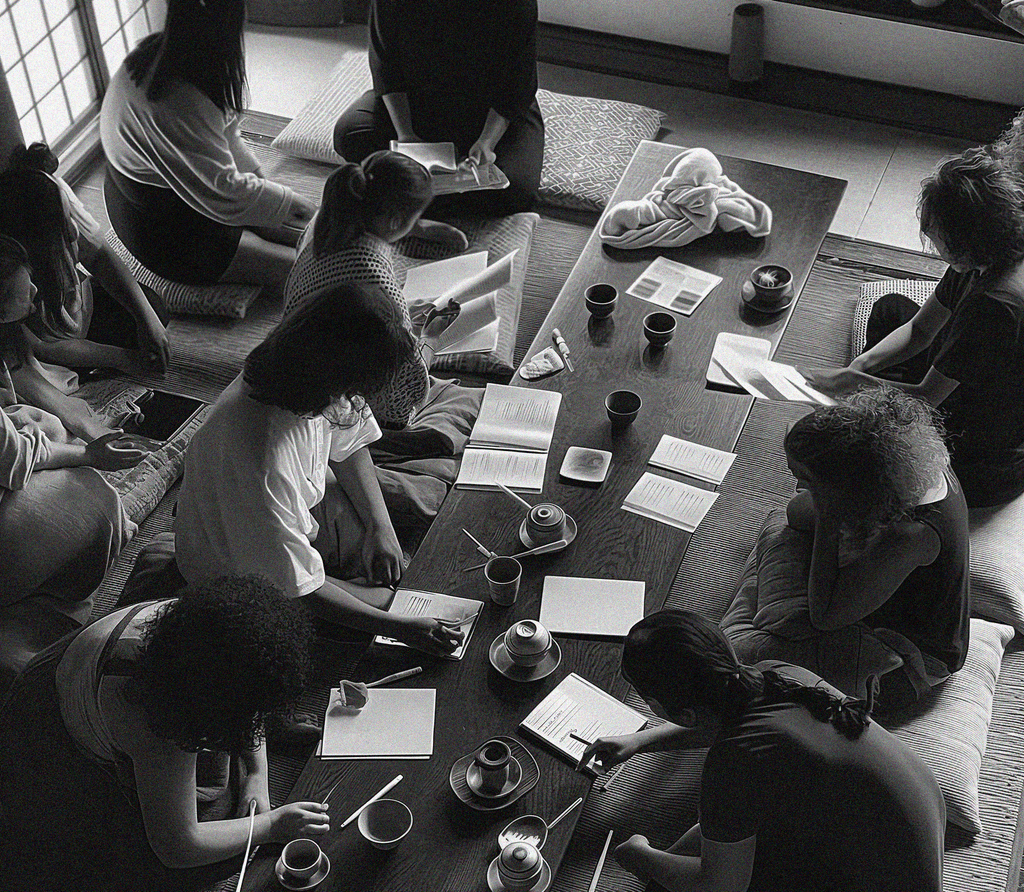
Share — 60–90 min mini-workshop; consented photo/video.
Package — dataset + visuals + next-step memo; publishable figures.
Method (90-day, low-lift)
Scan & Frame — rapid desk research, shortlist a site.
Co-read the place — 1 field day, 3–5 voices, quick maps.
Prototype — 2–3 micro interventions; photogrammetry/LiDAR or VR.
Share — 60–90 min mini-workshop; consented photo/video.
Package — dataset + visuals + next-step memo; publishable figures.
Method (90-day, low-lift)
Scan & Frame — rapid desk research, shortlist a site.
Co-read the place — 1 field day, 3–5 voices, quick maps.
Prototype — 2–3 micro interventions; photogrammetry/LiDAR or VR.
Share — 60–90 min mini-workshop; consented photo/video.
Package — dataset + visuals + next-step memo; publishable figures.
KPIs (in 90 days):
1 site scan · 3–5 interviews · 2–3 prototypes · 1 VR/AR capture · 6–10 consented images · 60–90s recap · 1 dataset + 1–2 figures
Research Outputs:
Field reports, architectural diagrams, interviews, visual archives, and publishable analytical frameworks.
KPIs (in 90 days):
1 site scan · 3–5 interviews · 2–3 prototypes · 1 VR/AR capture · 6–10 consented images · 60–90s recap · 1 dataset + 1–2 figures
Research Outputs:
Field reports, architectural diagrams, interviews, visual archives, and publishable analytical frameworks.
KPIs (in 90 days):
1 site scan · 3–5 interviews · 2–3 prototypes · 1 VR/AR capture · 6–10 consented images · 60–90s recap · 1 dataset + 1–2 figures
Research Outputs:
Field reports, architectural diagrams, interviews, visual archives, and publishable analytical frameworks.
KPIs (in 90 days):
1 site scan · 3–5 interviews · 2–3 prototypes · 1 VR/AR capture · 6–10 consented images · 60–90s recap · 1 dataset + 1–2 figures
Research Outputs:
Field reports, architectural diagrams, interviews, visual archives, and publishable analytical frameworks.

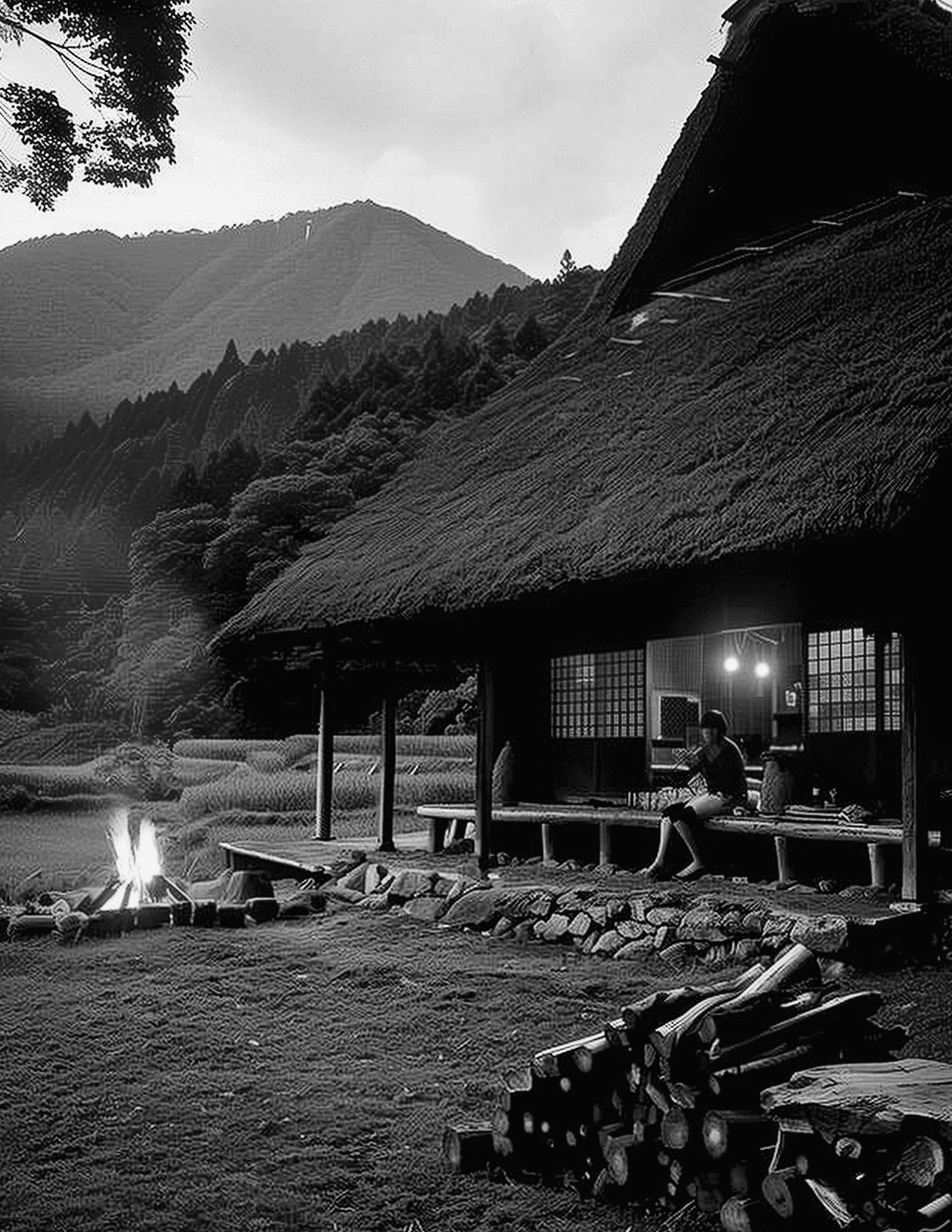
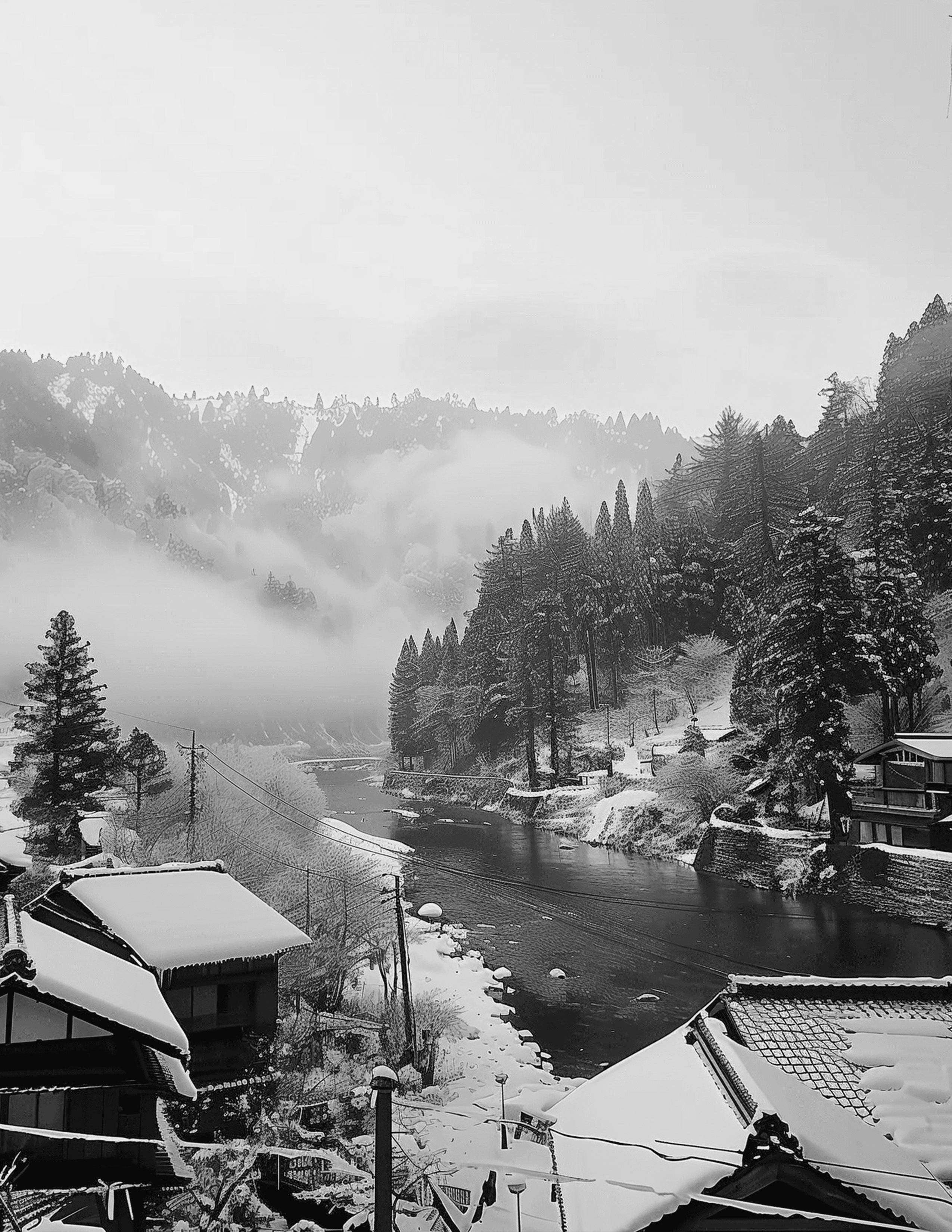
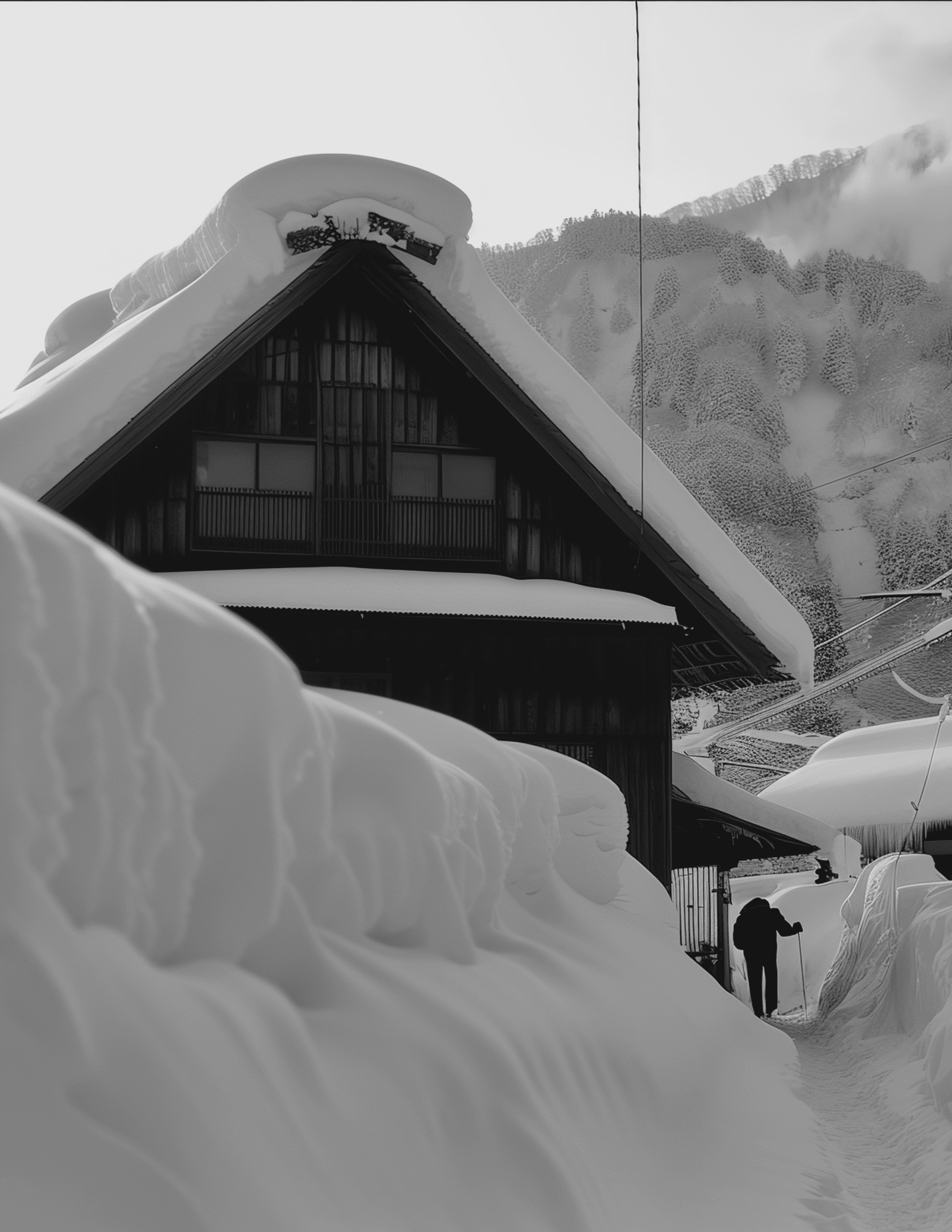

Where the dialogue begins
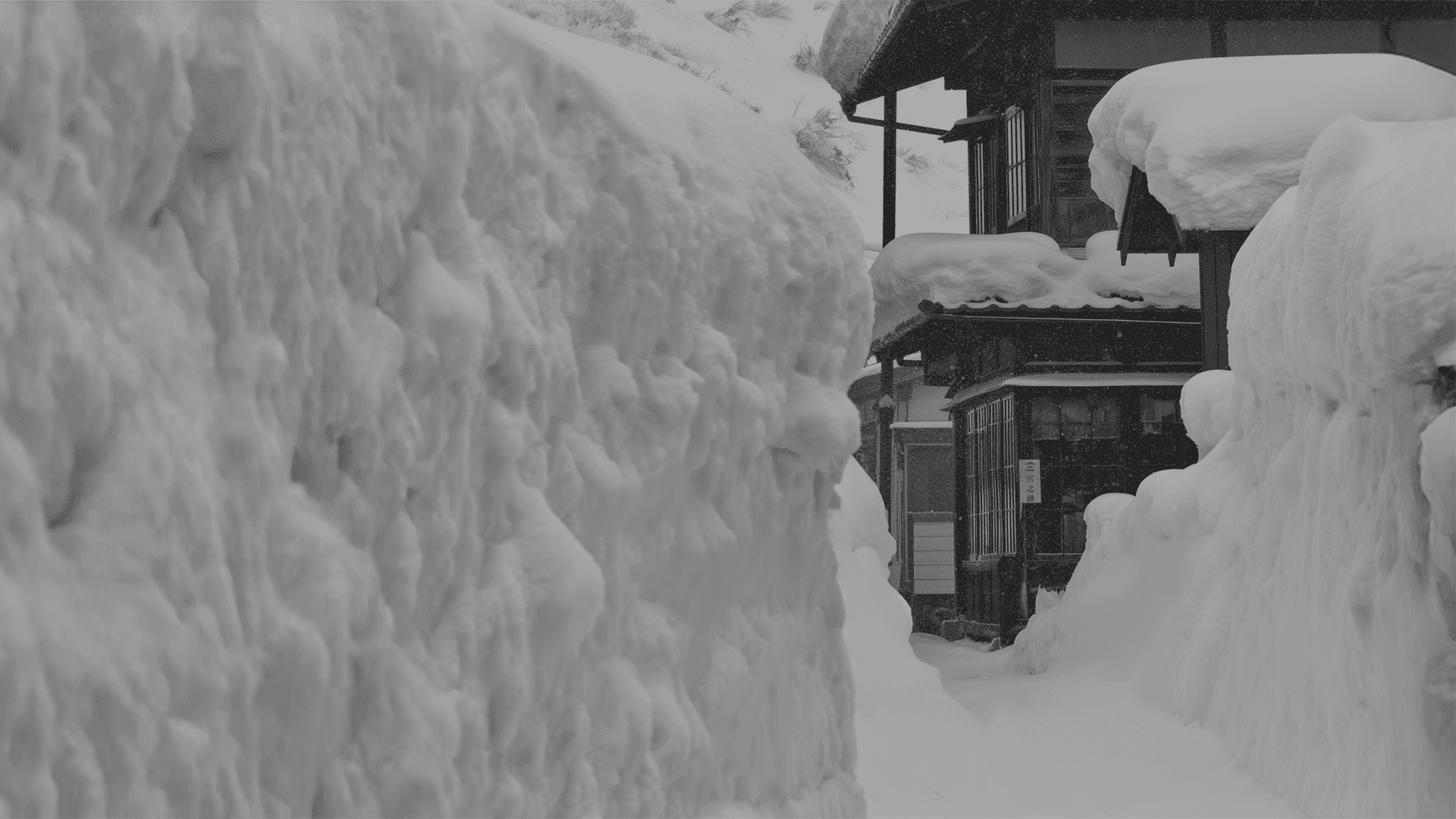
Our current research spans snow country and coastal regions across Japan — landscapes of resilience, solitude, and quiet beauty.
These are places where silence holds memory, where isolation creates intimacy, and where the renewal of a single structure can awaken a whole community.
Each potential site is not just a building, but a conversation — between what remains and what might return.
Where the dialogue begins
Our current research spans snow country and coastal regions across Japan — landscapes of resilience, solitude, and quiet beauty.
These are places where silence holds memory, where isolation creates intimacy, and where the renewal of a single structure can awaken a whole community.
Each potential site is not just a building, but a conversation — between what remains and what might return.
Where the dialogue begins
Our current research spans snow country and coastal regions across Japan — landscapes of resilience, solitude, and quiet beauty.
These are places where silence holds memory, where isolation creates intimacy, and where the renewal of a single structure can awaken a whole community.
Each potential site is not just a building, but a conversation — between what remains and what might return.
Where the dialogue begins
Our current research spans snow country and coastal regions across Japan — landscapes of resilience, solitude, and quiet beauty.
These are places where silence holds memory, where isolation creates intimacy, and where the renewal of a single structure can awaken a whole community.
Each potential site is not just a building, but a conversation — between what remains and what might return.
Where the dialogue begins
Our current research spans snow country and coastal regions across Japan — landscapes of resilience, solitude, and quiet beauty.
These are places where silence holds memory, where isolation creates intimacy, and where the renewal of a single structure can awaken a whole community.
Each potential site is not just a building, but a conversation — between what remains and what might return.
Origin
Origin
Origin
Walking behind the facades
Walking behind the facades
Walking behind the facades
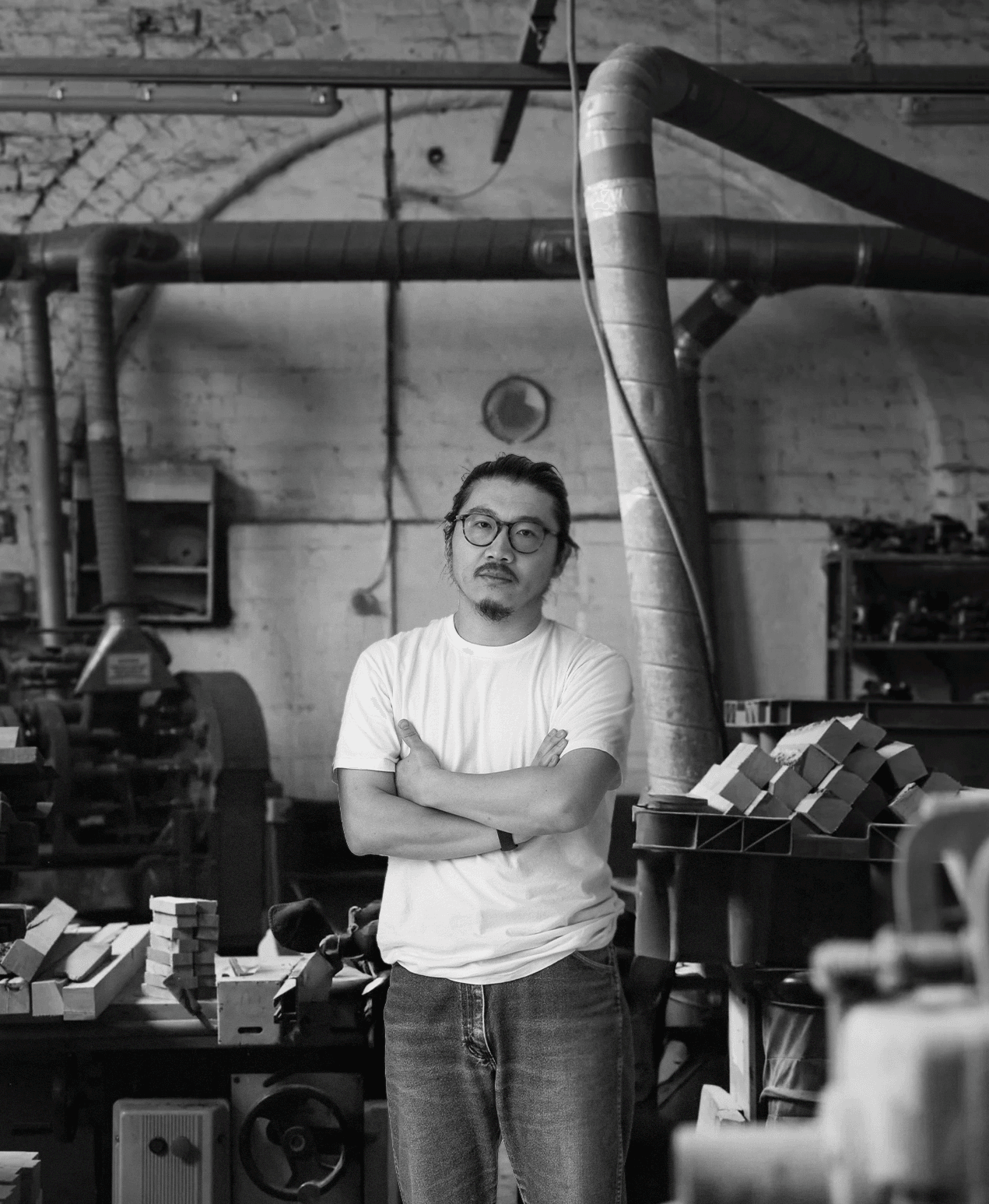
I trained as an architect at the Rhode Island School of Design and began my career on the US East Coast, working on adaptive reuse and urban projects. In New York, I helped transform a 100-year-old Gothic church into a headquarters for an Amazon-owned startup, and later worked on city-scale revitalization projects in Beijing and Sichuan. Those experiences taught me that architecture doesn’t end when construction finishes: buildings live on inside social, cultural, and community cycles that rarely show up on drawings.
My role with Miya Revival is both architectural and analytical: I lead site selection, spatial analysis, diagramming, interviews, and the translation of field observations into reusable architectural and research frameworks.
Why Japan, and what Miya Revival is
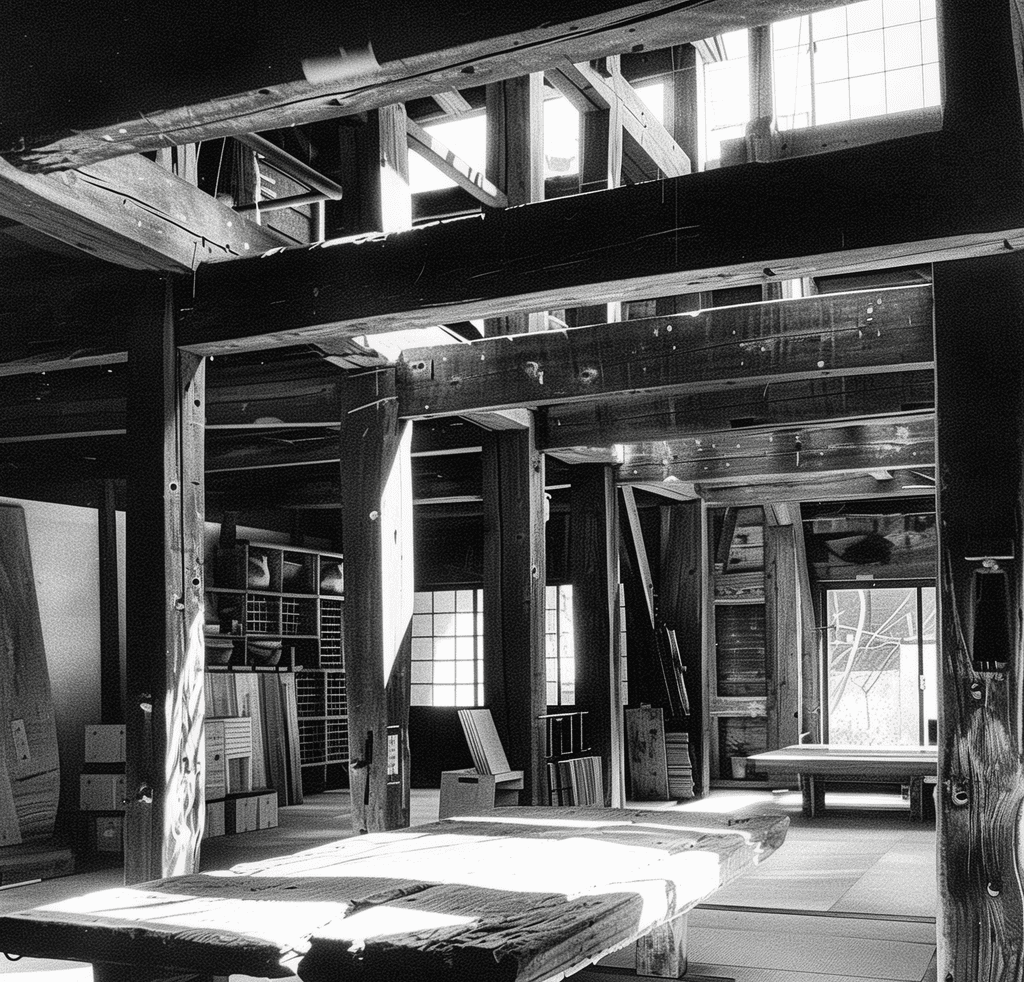
Japan gave me a new lens on that idea. Rural and coastal towns face population decline, ageing, and a growing stock of akiya and underused buildings, yet many communities respond with a quiet sense of continuity and care. In places like Kushimoto in Wakayama and wintertime Kanazawa, I walked old main streets lined with shuttered shops, disused factories, and almost-empty apartments, alongside beautifully renovated kominka restaurants and guesthouses that locals rarely use because everyday life has already shifted elsewhere. It became clear that renovation alone is not enough if we ignore where people now live, move, age, and gather.
Years ago, a retired editor told me about the fading craft of the miya-daiku (宮大工) — shrine carpenters who know how places endure over time. That image stayed with me and became the seed of Miya Revival: a small, design-led field studio exploring how adaptive reuse of akiya and existing buildings can reconnect not only structures, but also the communities and cultures that give them meaning, especially in Japan’s snow-country and coastal peripheral towns.
Miya Revival sits between architectural practice, field research, and community experiment. It focuses on listening to local residents, testing reversible, low-impact design strategies, and prototyping small cultural or residency-type programmes that plug into local life instead of floating above it. At its core, it is an effort to pay close attention—to underused buildings, quiet streets, and the ways people continue to inhabit shrinking towns.
I trained as an architect at the Rhode Island School of Design and began my career on the US East Coast, working on adaptive reuse and urban projects. In New York, I helped transform a 100-year-old Gothic church into a headquarters for an Amazon-owned startup, and later worked on city-scale revitalization projects in Beijing and Sichuan. Those experiences taught me that architecture doesn’t end when construction finishes: buildings live on inside social, cultural, and community cycles that rarely show up on drawings.
My role with Miya Revival is both architectural and analytical: I lead site selection, spatial analysis, diagramming, interviews, and the translation of field observations into reusable architectural and research frameworks.
Why Japan, and what Miya Revival is
Japan gave me a new lens on that idea. Rural and coastal towns face population decline, ageing, and a growing stock of akiya and underused buildings, yet many communities respond with a quiet sense of continuity and care. In places like Kushimoto in Wakayama and wintertime Kanazawa, I walked old main streets lined with shuttered shops, disused factories, and almost-empty apartments, alongside beautifully renovated kominka restaurants and guesthouses that locals rarely use because everyday life has already shifted elsewhere. It became clear that renovation alone is not enough if we ignore where people now live, move, age, and gather.
Years ago, a retired editor told me about the fading craft of the miya-daiku (宮大工) — shrine carpenters who know how places endure over time. That image stayed with me and became the seed of Miya Revival: a small, design-led field studio exploring how adaptive reuse of akiya and existing buildings can reconnect not only structures, but also the communities and cultures that give them meaning, especially in Japan’s snow-country and coastal peripheral towns.
Miya Revival sits between architectural practice, field research, and community experiment. It focuses on listening to local residents, testing reversible, low-impact design strategies, and prototyping small cultural or residency-type programmes that plug into local life instead of floating above it. At its core, it is an effort to pay close attention—to underused buildings, quiet streets, and the ways people continue to inhabit shrinking towns.
I trained as an architect at the Rhode Island School of Design and began my career on the US East Coast, working on adaptive reuse and urban projects. In New York, I helped transform a 100-year-old Gothic church into a headquarters for an Amazon-owned startup, and later worked on city-scale revitalization projects in Beijing and Sichuan. Those experiences taught me that architecture doesn’t end when construction finishes: buildings live on inside social, cultural, and community cycles that rarely show up on drawings.
My role with Miya Revival is both architectural and analytical: I lead site selection, spatial analysis, diagramming, interviews, and the translation of field observations into reusable architectural and research frameworks.
Why Japan, and what Miya Revival is
Japan gave me a new lens on that idea. Rural and coastal towns face population decline, ageing, and a growing stock of akiya and underused buildings, yet many communities respond with a quiet sense of continuity and care. In places like Kushimoto in Wakayama and wintertime Kanazawa, I walked old main streets lined with shuttered shops, disused factories, and almost-empty apartments, alongside beautifully renovated kominka restaurants and guesthouses that locals rarely use because everyday life has already shifted elsewhere. It became clear that renovation alone is not enough if we ignore where people now live, move, age, and gather.
Years ago, a retired editor told me about the fading craft of the miya-daiku (宮大工) — shrine carpenters who know how places endure over time. That image stayed with me and became the seed of Miya Revival: a small, design-led field studio exploring how adaptive reuse of akiya and existing buildings can reconnect not only structures, but also the communities and cultures that give them meaning, especially in Japan’s snow-country and coastal peripheral towns.
Miya Revival sits between architectural practice, field research, and community experiment. It focuses on listening to local residents, testing reversible, low-impact design strategies, and prototyping small cultural or residency-type programmes that plug into local life instead of floating above it. At its core, it is an effort to pay close attention—to underused buildings, quiet streets, and the ways people continue to inhabit shrinking towns.
I trained as an architect at the Rhode Island School of Design and began my career on the US East Coast, working on adaptive reuse and urban projects. In New York, I helped transform a 100-year-old Gothic church into a headquarters for an Amazon-owned startup, and later worked on city-scale revitalization projects in Beijing and Sichuan. Those experiences taught me that architecture doesn’t end when construction finishes: buildings live on inside social, cultural, and community cycles that rarely show up on drawings.
My role with Miya Revival is both architectural and analytical: I lead site selection, spatial analysis, diagramming, interviews, and the translation of field observations into reusable architectural and research frameworks.
Why Japan, and what Miya Revival is
Japan gave me a new lens on that idea. Rural and coastal towns face population decline, ageing, and a growing stock of akiya and underused buildings, yet many communities respond with a quiet sense of continuity and care. In places like Kushimoto in Wakayama and wintertime Kanazawa, I walked old main streets lined with shuttered shops, disused factories, and almost-empty apartments, alongside beautifully renovated kominka restaurants and guesthouses that locals rarely use because everyday life has already shifted elsewhere. It became clear that renovation alone is not enough if we ignore where people now live, move, age, and gather.
Years ago, a retired editor told me about the fading craft of the miya-daiku (宮大工) — shrine carpenters who know how places endure over time. That image stayed with me and became the seed of Miya Revival: a small, design-led field studio exploring how adaptive reuse of akiya and existing buildings can reconnect not only structures, but also the communities and cultures that give them meaning, especially in Japan’s snow-country and coastal peripheral towns.
Miya Revival sits between architectural practice, field research, and community experiment. It focuses on listening to local residents, testing reversible, low-impact design strategies, and prototyping small cultural or residency-type programmes that plug into local life instead of floating above it. At its core, it is an effort to pay close attention—to underused buildings, quiet streets, and the ways people continue to inhabit shrinking towns.
For Universities, Local Governments, and NPOs
大学・自治体・NPO の皆さまへ
For Universities, Local Governments, and NPOs
大学・自治体・NPO の皆さまへ
For Universities, Local Governments, and NPOs
大学・自治体・NPO の皆さまへ
Miya Revival is a small, design-led field studio focused on the adaptive reuse of akiya and existing buildings, and on creating small cultural and community-linked programmes.
私は下記のような取り組みに対応可能です:
空き家・既存建築の再生をテーマとした、大学・自治体との共同フィールドスタジオ/共同調査
小規模パイロットプロジェクト(暫定利用、文化イベント、マイクロ型アーティスト・イン・レジデンス等)
アダプティブ・リユースや地域再生に関する講義・ワークショップ
対応言語:英語・中国語, 基礎的な 日本語(学習中)
Miya Revival is a small, design-led field studio focused on the adaptive reuse of akiya and existing buildings, and on creating small cultural and community-linked programmes.
私は下記のような取り組みに対応可能です:
空き家・既存建築の再生をテーマとした、大学・自治体との共同フィールドスタジオ/共同調査
小規模パイロットプロジェクト(暫定利用、文化イベント、マイクロ型アーティスト・イン・レジデンス等)
アダプティブ・リユースや地域再生に関する講義・ワークショップ
対応言語:英語・中国語, 基礎的な 日本語(学習中)
Miya Revival is a small, design-led field studio focused on the adaptive reuse of akiya and existing buildings, and on creating small cultural and community-linked programmes.
私は下記のような取り組みに対応可能です:
空き家・既存建築の再生をテーマとした、大学・自治体との共同フィールドスタジオ/共同調査
小規模パイロットプロジェクト(暫定利用、文化イベント、マイクロ型アーティスト・イン・レジデンス等)
アダプティブ・リユースや地域再生に関する講義・ワークショップ
対応言語:英語・中国語, 基礎的な 日本語(学習中)
Miya Revival is a small, design-led field studio focused on the ad.aptive reuse of akiya and existing buildings, and on creating small cultural and community-linked programmes
私は下記のような取り組みに対応可能です:
空き家・既存建築の再生をテーマとした、大学・自治体との共同フィールドスタジオ/共同調査
小規模パイロットプロジェクト(暫定利用、文化イベント、マイクロ型アーティスト・イン・レジデンス等)
アダプティブ・リユースや地域再生に関する講義・ワークショップ
対応言語:英語・中国語, 基礎的な 日本語(学習中)
研究概要の 2ページ・コンセプトノート と CV をご希望の方、また共同プロジェクトのご相談は:
研究概要の 2ページ・コンセプトノート と CV をご希望の方、また共同プロジェクトのご相談は:
研究概要の 2ページ・コンセプトノート と CV をご希望の方、また共同プロジェクトのご相談は:
研究概要の 2ページ・コンセプトノート と CV をご希望の方、また共同プロジェクトのご相談は:
NBBJ Architecture
Rhode Island School of Design
AIA
Spector Group
US Green Building Council
HDR Architecture
and other ongoing cultural and architectural collaborations in Japan and abroad